“`html
Cedar Shake Roof Repairs in the Portland Metro: Real Costs and Honest Decision-Making
By Aaron Cope, Owner, Raven Roofing Beaverton — Last updated May 2026
TL;DR: Cedar shake repairs in the Portland metro typically run $1,500 to $6,000 minimum, and often higher, because of the difficulty and danger of working on shake roofs combined with the labor required to lift and reinstall surrounding shakes. By the time most homeowners notice cedar shake damage — cracked shakes, missing shakes, ridge cap separation, fasteners backing out — the underlayment beneath is often also failing, and the repair scope expands quickly. Cedar shake repair makes sense on younger, well-maintained roofs in good condition. On aging cedar roofs that have already started cracking and curling, repair is usually a delay tactic and the per-year math favors conversion to a more PNW-appropriate material. Note: Raven Roofing does not currently install new cedar shake roofs, but we do handle repairs on existing cedar roofs and we help homeowners think through repair vs. conversion decisions honestly.
Why choose us for cedar shake repairs
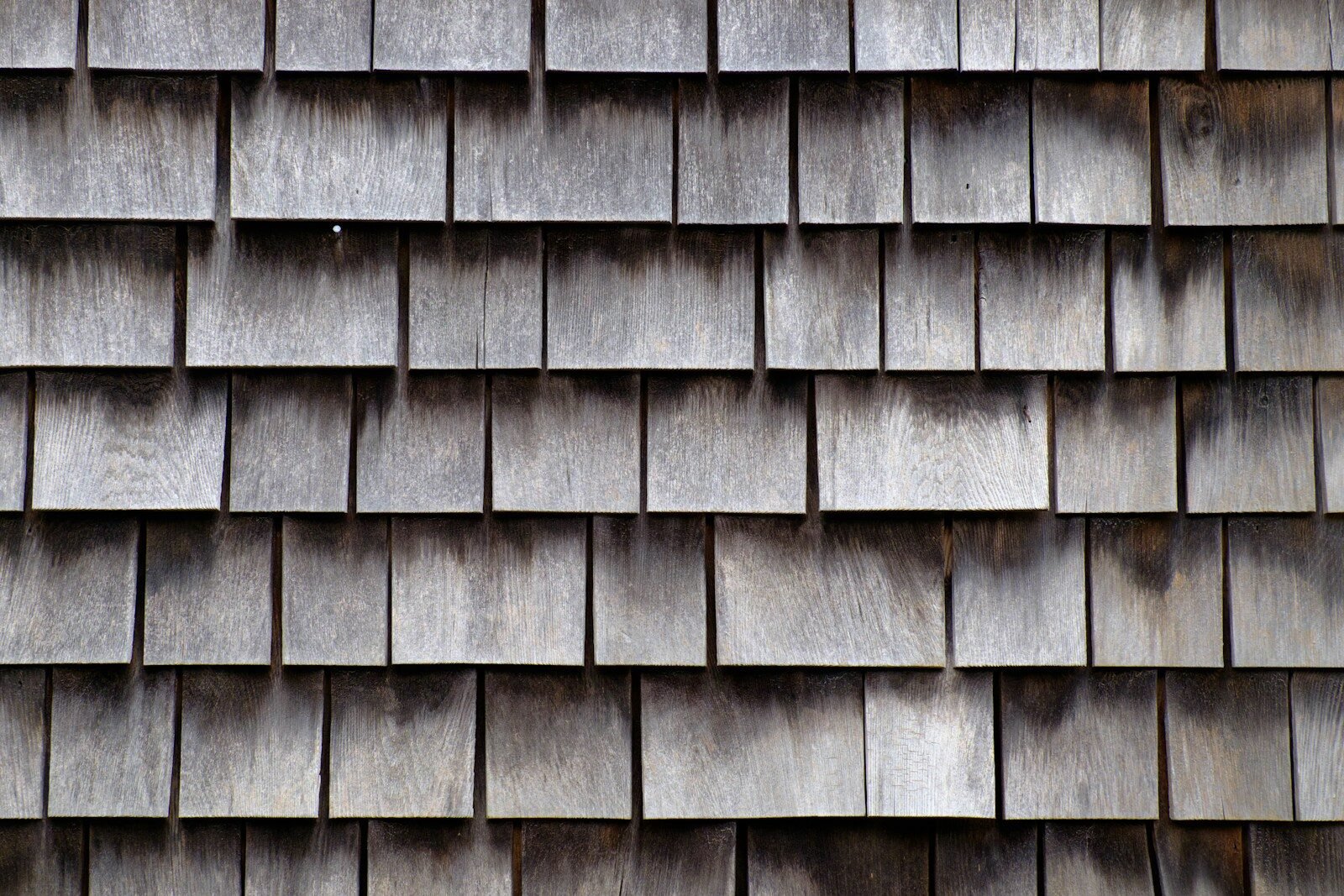
Cedar shake repair is specialty work that requires specific skills — knowing how to lift and reseat shakes without cracking them, identifying which surrounding shakes need replacement during the repair, working safely on the steeper pitches that cedar typically requires, and assessing the condition of the underlayment beneath. Many Portland-area roofers won’t take cedar repair work because the difficulty doesn’t match the typical pricing homeowners expect.
Raven Roofing handles cedar shake repair through Josh’s 16 years of multi-system roofing experience — including working with cedar shake throughout his career as both an installer and project manager. Josh runs production on every cedar job and makes the on-site technical decisions. Aaron Cope handles the estimate, the communication, and the insurance documentation: his background as a former roofing insurance adjuster means storm-related shake damage gets documented in the format adjusters expect, which makes the difference between a covered repair and a denied claim.
A note on what we don’t do: Raven Roofing does not currently install new cedar shake roofs. We’ve made that decision based on our experience with how cedar performs in the Pacific Northwest climate, the maintenance burden it creates for homeowners, and the difficulty of sourcing the premium-grade material that makes cedar perform reasonably here. We do continue to repair existing cedar roofs, and we help homeowners think through whether repair, partial replacement, or conversion to a different material is the right answer for their specific situation. That’s a constraint we’re upfront about, not a sales angle.
What does cedar shake repair cost in the Portland metro?
Cedar shake repair pricing reflects the reality that working with shake is inherently slower, more dangerous, and more material-intensive than working with asphalt or metal. Even small cedar repairs typically start in the $1,500-$3,000 range because:
- Cedar shake roofs are often steeper than other roof types, requiring additional safety equipment and slower work
- Shake roofs are slick when wet and fragile under foot traffic — careful access takes time
- Replacing a damaged shake usually means lifting and reseating multiple surrounding shakes, expanding the work area
- Premium-grade replacement shakes are expensive ($1,200+ per square in materials alone)
- Underlayment beneath shakes is often partially failed by the time exterior shake damage shows, expanding the repair scope
Short cedar repairs (rare): $1,500 – $3,000
Genuinely simple cedar repairs are uncommon, but when they exist they cover:
- Replacing 5 to 10 cracked or missing shakes in a localized area where surrounding material is in good condition
- Reseating loose ridge cap shakes
- Localized flashing repair at a vent or pipe penetration with minimal surrounding shake work
Full-day cedar repairs: $3,000 – $6,000
Most cedar repair work falls here, covering:
- Larger sections of cracked or missing shakes
- Ridge cap reconstruction or significant ridge work
- Flashing repair at chimneys or skylights with surrounding shake work
- Selective shake replacement across a localized section
Multi-day cedar repairs: $6,000 – $12,000+
- Comprehensive shake replacement across larger sections
- Ridge cap full replacement combined with surrounding shake work
- Underlayment repair where shake liner is leaking, requiring lifting and reinstalling all overlying shakes
- Storm damage repair across multiple roof planes
The reason cedar repair costs scale up quickly: when shake liner (the underlayment beneath the shakes) is leaking, you can’t just replace the visible damaged shakes — you have to lift up all the shakes in the affected area, replace the failed liner, and reinstall. Many cedar shake roofs in the Portland metro have cracked shakes and underlayment leaking, which means the “small repair” you called us for becomes a comprehensive repair scope after the inspection.
How to tell when your cedar shake roof is past repair
Cedar shake roofs give clear signals when they’re approaching the end of their useful life. By the time you’re seeing multiple of the following, cedar repair becomes a delay tactic rather than a solution:
- Sun burning. South and west-facing slopes start showing dried, brittle, silvery-grey shakes that have lost their natural oils. Once shakes are sun-burned, they’re inherently brittle and crack easily during any work.
- Maintenance frequency increases dramatically. Healthy cedar might need professional cleaning and treatment every 3 to 5 years. When cedar is failing, you’re suddenly facing maintenance every year — moss treatment, missing shakes, ridge cap repairs, fastener issues — and each repair only solves the immediate problem.
- Cracking shakes across multiple sections. Individual cracks happen. Widespread cracking across several courses or roof planes means the cedar has reached the end of its dimensional stability and continued repair work creates as many problems as it solves.
- Missing shakes. Wind events that pull shakes off a healthy cedar roof are uncommon. Missing shakes on an aging cedar roof are a sign that fasteners are letting go from thermal expansion cycling, and replacing the missing ones doesn’t fix the underlying fastener problem.
- Ridge caps separating. Ridge and hip cap shakes that are visibly separating, lifting, or missing indicate that the protective edge of the roof is failing. Once the ridge fails, water gets into the upper section of the underlayment and cascades down.
- Nailing and fasteners backing out. Thermal expansion and contraction over years cycles fasteners loose. When you see a pattern of fastener heads sticking up across the roof, the entire fastening system is at end of life — not individual nails.
- Low-grade material curling, cupping, splitting prematurely. If your cedar roof was installed with lower-grade material rather than premium Number 1 Blue Label CCA shakes, you’ll see early failure across the field — curling, cupping, splitting at 12 to 18 years of age instead of 25+ years.
When two or more of these are showing across your cedar roof, the repair-vs-replace conversation has shifted in favor of replacement or conversion.
The repair vs. conversion math for cedar
We use the same per-year framework for cedar that we use across all roofing decisions:
- Estimate how long cedar repair will reasonably extend the roof’s useful life. Be conservative — cedar repair life on aging shake roofs is genuinely hard to predict because the surrounding shakes continue aging at the same rate as before.
- Divide repair cost by that number of years.
- Divide replacement or conversion cost by expected new roof lifespan.
- Compare.
A worked example: A cedar repair scope with shake replacement and underlayment work runs $8,000 and we expect it to give you 5 more years before the next significant issue. That’s $1,600 per year. Conversion to architectural composition shingle costs $20,000 and lasts 30 years — that’s $667 per year. Conversion to composite synthetic shake (which mimics cedar’s appearance with dramatically lower maintenance) costs $35,000 and lasts 50 years — that’s $700 per year.
In most cedar cases on roofs over 20 years old, the per-year math favors conversion. Repair life is the variable that sinks the math — even a generous $8,000 repair that gets you 8 years comes in at $1,000 per year, still more than either conversion option.
The cases where cedar repair makes sense:
- Younger cedar roof (under 15 years old) with isolated damage
- Architecturally significant home where cedar is genuinely required
- Recent storm damage where insurance is covering the repair scope
- Homeowner committed to long-term cedar ownership and accepting of the higher maintenance and repair frequency
Why Pacific Northwest cedar fails faster than marketing suggests
Cedar shake marketing materials cite 30 to 50 year lifespans. Real-world performance in our climate often comes in below that range — and significantly below it on heavily-treed, shaded lots common in our cedar neighborhoods.
Industry sources identify several PNW-specific failure patterns:
Constant moisture without dry-out periods.
Cedar’s natural durability depends on regular dry-out cycles between rain events. The Portland metro gets 36+ inches of rain annually across roughly 155 rainy days, and many days that aren’t classified as “rainy” still have humidity high enough that shaded cedar doesn’t dry properly. Constant moisture saturation accelerates the breakdown of cedar’s natural preservatives.
Heavy biological attack.
Three different organisms attack cedar in our climate: moss (the most visible), algae (creates dark streaking before visible moss develops), and lichen (the toughest to remove and most damaging once established). Most other cedar markets deal with one or two of these; PNW cedar deals with all three simultaneously.
Tree debris loading.
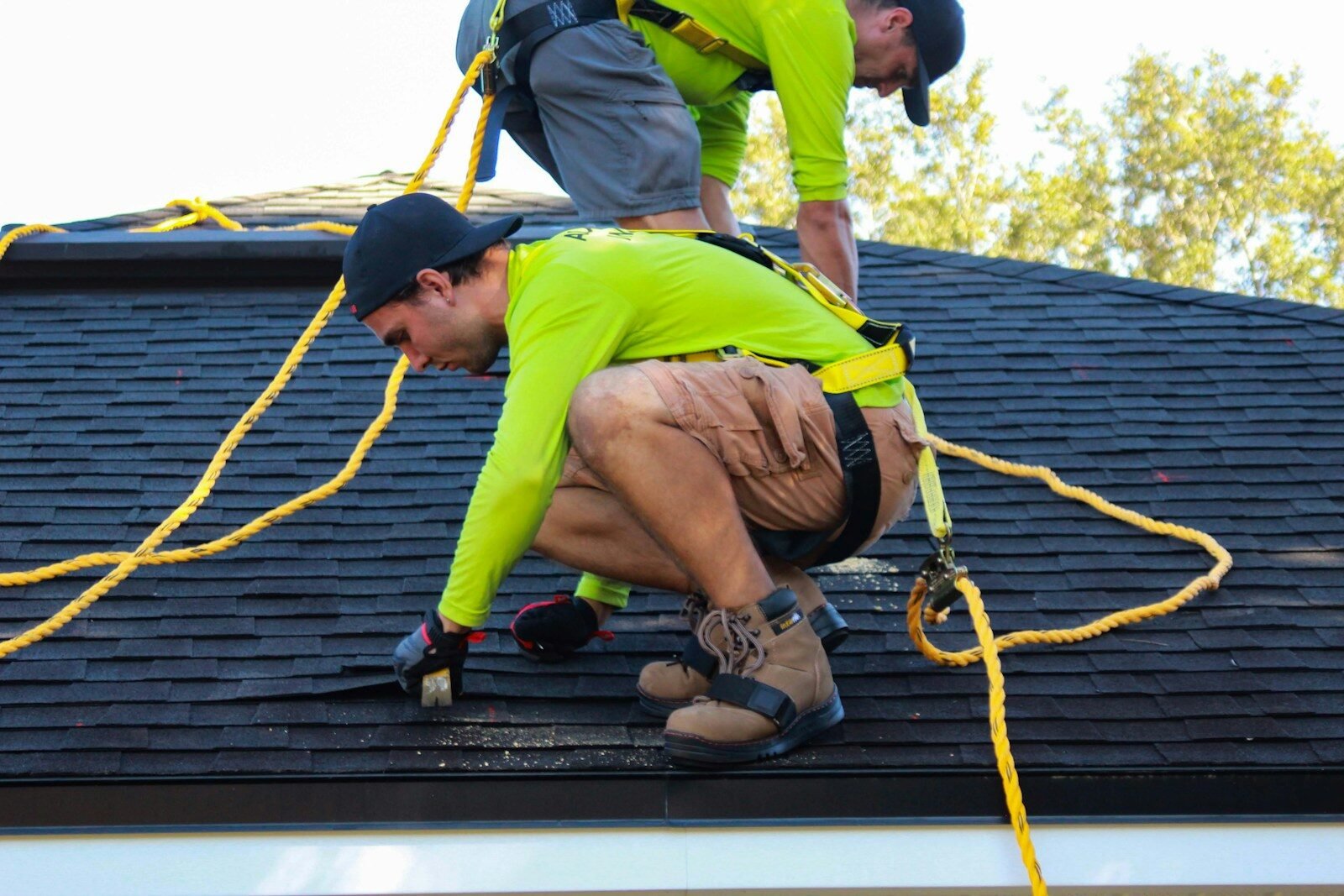
Doug fir needles, big-leaf maple leaves, and oak debris all fall on cedar roofs in this region. Each shed cycle adds organic matter that holds moisture against the shakes, feeds biological growth, and accelerates decay at the points where debris accumulates.
Thermal cycling on south-facing slopes.
South and west-facing cedar slopes get high UV exposure during PNW summers and freeze-thaw cycling during winter, while north slopes stay shaded and damp. The same cedar roof can be at end-of-life on the south side while the north side is in moderate condition — and that imbalance complicates repair scope.
Lower-grade material installations.
A significant portion of cedar shake roofs in the Portland metro from the 80s and 90s were installed with lower-grade material than the premium Number 1 Blue Label CCA grade required for full performance. Lower-grade material fails earlier regardless of maintenance, and identifying what grade your roof was originally installed with isn’t always straightforward decades later.
The combination of these factors means that “cedar lasts 30 to 50 years” in marketing materials translates to “cedar lasts 18 to 28 years in PNW conditions for most installations” in practice. Working cedar repair into your maintenance budget every 1 to 3 years on aging cedar can extend the useful life — but the cost compounds, and most cedar owners eventually reach a point where conversion is the better economic answer.
Cedar shake neighborhoods in the Portland metro
Cedar shake roofs are concentrated in specific Portland-metro communities where the architectural style of the housing favored cedar during the 70s, 80s, and 90s. The communities where we see the most cedar work include:
- Lake Oswego — significant cedar inventory, particularly on mid-century moderns and craftsman homes
- West Linn — heavily wooded lots and architectural styles that favored cedar
- Clackamas — older established neighborhoods with substantial cedar inventory
- Happy Valley — mix of newer and older cedar installations
- Beaverton — neighborhoods including Cedar Mill (named for the original cedar mill operations), Cedar Hills, parts of Raleigh Hills
- Southwest Portland — heavily-treed lots with cedar across mid-century and craftsman homes
- Northwest Portland — older established neighborhoods with cedar on architecturally significant homes
If you have a cedar roof in any of these areas, the local context matters: heavily-treed lots create more aggressive failure conditions, certain neighborhoods saw lower-grade cedar installed during volume housing booms, and the resale value of cedar varies significantly by neighborhood.
What cedar repair work includes from Raven
When we handle cedar repair, we include:
- Comprehensive inspection with photo documentation, including assessment of the underlayment beneath the shakes in sample areas
- Honest assessment of repair scope vs. replacement vs. conversion economics
- Insurance documentation when the damage is storm-related
- Premium-grade replacement shakes sourced through reputable PNW suppliers
- Underlayment repair where the shake liner is failing in localized areas
- Moss powder treatment in surrounding areas to slow regrowth at the repair site
- Mastic over exposed nails found during work
- Photo documentation of completed work
We also discuss long-term maintenance recommendations honestly. Cedar in our climate requires committed maintenance to hit even the lower end of its lifespan range, and we’d rather you understand that going in than discover it as repair calls become more frequent.
Frequently Asked Questions
How much does cedar shake roof repair cost in the Portland metro?
Cedar repairs typically run $1,500 to $6,000 minimum because of the difficulty and danger of shake work combined with the labor required to lift and reinstall surrounding shakes. Multi-day comprehensive repairs commonly reach $6,000-$12,000+. Simple isolated repairs are uncommon because by the time damage is visible, the surrounding shakes and underlayment are usually also affected.
How long does cedar shake actually last in the Pacific Northwest?
Marketing cites 30-50 years. Real PNW performance ranges from 18 to 28 years for most installations, depending on grade of material installed, maintenance commitment, lot exposure (sunny vs. heavily shaded), and tree debris loading. Premium Number 1 Blue Label CCA shakes on a sunny, well-maintained roof can hit 30+ years; lower-grade material on a heavily-shaded lot with no maintenance can fail at 15.
When should I repair cedar vs. replace or convert?
Repair makes sense on younger cedar roofs (under 15 years) with isolated damage. Replacement or conversion usually makes more sense once you’re seeing two or more of: widespread cracking, missing shakes from fastener failure, ridge cap separation, sun burning across slopes, increasing maintenance frequency. The per-year cost math typically favors conversion on cedar roofs over 20 years old.
Why does Raven not install new cedar shake roofs?
We’ve made that decision based on our experience with how cedar performs in PNW climate, the maintenance burden it creates for homeowners, and the difficulty of sourcing the premium-grade material that makes cedar perform reasonably here. We continue to repair existing cedar roofs and help homeowners decide between repair, replacement, and conversion options. We’re upfront about that constraint rather than steering homeowners toward decisions that don’t serve them long-term.
What’s the alternative if I want the cedar look without the cedar problems?
Composite synthetic shake products from manufacturers like DaVinci, Brava, and EcoStar replicate cedar’s dimensional appearance with dramatically lower maintenance, better fire ratings, longer warranties (often 50 years), and far better PNW performance. Cost runs $25,000-$45,000 for a typical home — comparable to or slightly less than real cedar with a fraction of the long-term maintenance burden. We cover this in detail on our cedar shake roofing honest guide.
Why is cedar repair so much more expensive than shingle repair?
Cedar work is inherently slower, more dangerous (steep pitches, slick when wet, fragile underfoot), more material-intensive (replacement shakes are expensive), and almost always expands beyond the visibly damaged area because surrounding shakes need to be lifted and reseated to access the damaged section. The minimum cost reflects the actual time and skill required, not the visible damage size.
Will my insurance cover cedar repair?
Storm damage (wind, fallen trees, hail) is generally covered. Wear-and-tear, age-related failure, gradual cracking, and natural aging aren’t covered. Aaron’s background as a former roofing insurance adjuster helps us document storm-related cedar damage in the format adjusters expect, which improves the chance of a covered claim and accurate scope.
How long does cedar repair work take?
Short cedar repairs are typically a half-day to full day. Most cedar repair scopes are full-day to multi-day work. Comprehensive cedar repair across larger sections runs 2-4 days. Weather can extend timelines significantly — cedar can’t be worked on during heavy rain, and the rainy season can mean 3-4 week waits for adequate dry windows.
Can I repair cedar shake myself?
Strongly advised against. Cedar roofs are slick when wet, fragile under foot pressure, and require specific products and techniques. Pressure washing — the most common DIY mistake — can destroy a cedar roof in a single afternoon by stripping protective oils and embedding moisture deep in the wood.
What grade of cedar shake should be installed?
Premium grade — Number 1 Blue Label CCA, made from old-growth vertical-grain heartwood. Lower grades (common labels, white labels) contain more sapwood and grain irregularities, perform significantly worse in PNW conditions, and aren’t what a quality contractor should install on your home. Material grade matters more than almost any other variable for cedar performance in this climate.
Where do you source replacement cedar shakes?
Through reputable PNW cedar suppliers carrying premium-grade material, when matching the original installation requires premium grade. Salvage and reused cedar can sometimes work for cosmetic repairs but isn’t appropriate for primary replacement work.
Get an Honest Cedar Shake Assessment
If you have a cedar shake roof in the Portland metro, we’d rather come look than guess from a description. Free inspections include lifting shakes in sample areas to assess underlayment condition, photo documentation of every issue, an honest assessment of repair vs. replacement vs. conversion economics, and a written quote you can compare to anything else.
📞 Call 503-783-8855 or request a free inspection online.
Raven Roofing Beaverton LLC
4145 SW Watson Ave #350, Beaverton, OR 97005
Oregon CCB #257909 | GAF Certified Plus | CertainTeed Shingle Master | BBB Accredited
Serving Beaverton, Hillsboro, Tigard, Aloha, Lake Oswego, West Linn, Tualatin, Sherwood, and the greater Portland metro.
“`